
Irritable bowel syndrome, also known as irritable colon syndrome, affects between 5 and 10 percent of the population, according to studies. Abdominal pain, bloating, and alternating episodes of diarrhea and constipation: this chronic digestive disorder affects the daily lives of many people, and no single cause has been identified.
Here’s what we know today about its causes, and natural approaches that can help alleviate its symptoms.
Recognizing Irritable Bowel Syndrome
Irritable bowel syndrome is characterized by a set of recurring symptoms, which vary from person to person and from time to time:
- Abdominal pain or cramps, often relieved after a bowel movement
- Severe bloating and gas
- Constipation, diarrhea, or alternating between the two
- Feeling of incomplete emptying
These symptoms typically occur in episodes, sometimes triggered by certain foods, stress, or changes in daily routine. A medical diagnosis is still necessary to rule out other digestive disorders before a diagnosis of irritable bowel syndrome can be made.
The Different Types of Irritable Bowel Syndrome
There are generally three forms of irritable bowel syndrome, classified according to the predominant symptom:
- The form characterized primarily by constipation, which is the most common
- The form characterized primarily by diarrhea
- The mixed form, which alternates between the two
This distinction partly guides which measures to prioritize. Someone experiencing constipation will benefit more from fiber and hydration, while someone prone to diarrhea may need to limit certain irritating foods.
What causes irritable bowel syndrome?
Researchers today generally agree that the cause is multifactorial rather than a single factor:
- Hypersensitivity of the intestines to contractions and distension
- An imbalance in the gut microbiota
- Stress and Anxiety, via the Gut-Brain Axis
- Certain trigger foods, which vary from person to person
- A history of gastrointestinal infection
The link between stress and digestive disorders is frequently mentioned in the accounts of those affected. We discussed this mechanism in detail in our article “Constipation and Stress: An Underestimated Link That Should Not Be Ignored,” which also applies to irritable bowel syndrome.
A growing number of studies also point to the role of low-grade inflammation of the intestinal lining in irritable bowel syndrome, even in the absence of a confirmed inflammatory disease. Subtle but persistent, this chronic inflammation can maintain intestinal hypersensitivity and contribute to the recurrence of symptoms. Certain natural approaches based on active ingredients such as curcumin or boswellia are also being studied for their potential to help reduce inflammation overall, as a complement to dietary advice and appropriate medical care.
Natural Herbs to Relieve Irritable Bowel Syndrome
Certain plants have shown particular promise in helping to alleviate the symptoms of irritable bowel syndrome, as a complement to medical care.
Cardamom
Cardamom is traditionally used to relieve spasms and intestinal gas. It is believed to work by relaxing the smooth muscles of the intestine, which helps reduce abdominal pain associated with irritable bowel syndrome.
Fennel
Fennel is known for its effectiveness in relieving bloating and digestive irregularities associated with intestinal dysbiosis—that is, an adverse change in the composition of gut bacteria. The European Medicines Agency has confirmed its therapeutic benefits for these types of symptoms.
Aloe ferox
For people whose irritable bowel syndrome is primarily characterized by constipation, Aloe ferox may provide additional relief. Studies have shown its ability to improve intestinal motility, without causing any adverse effects when used at the recommended dosages.
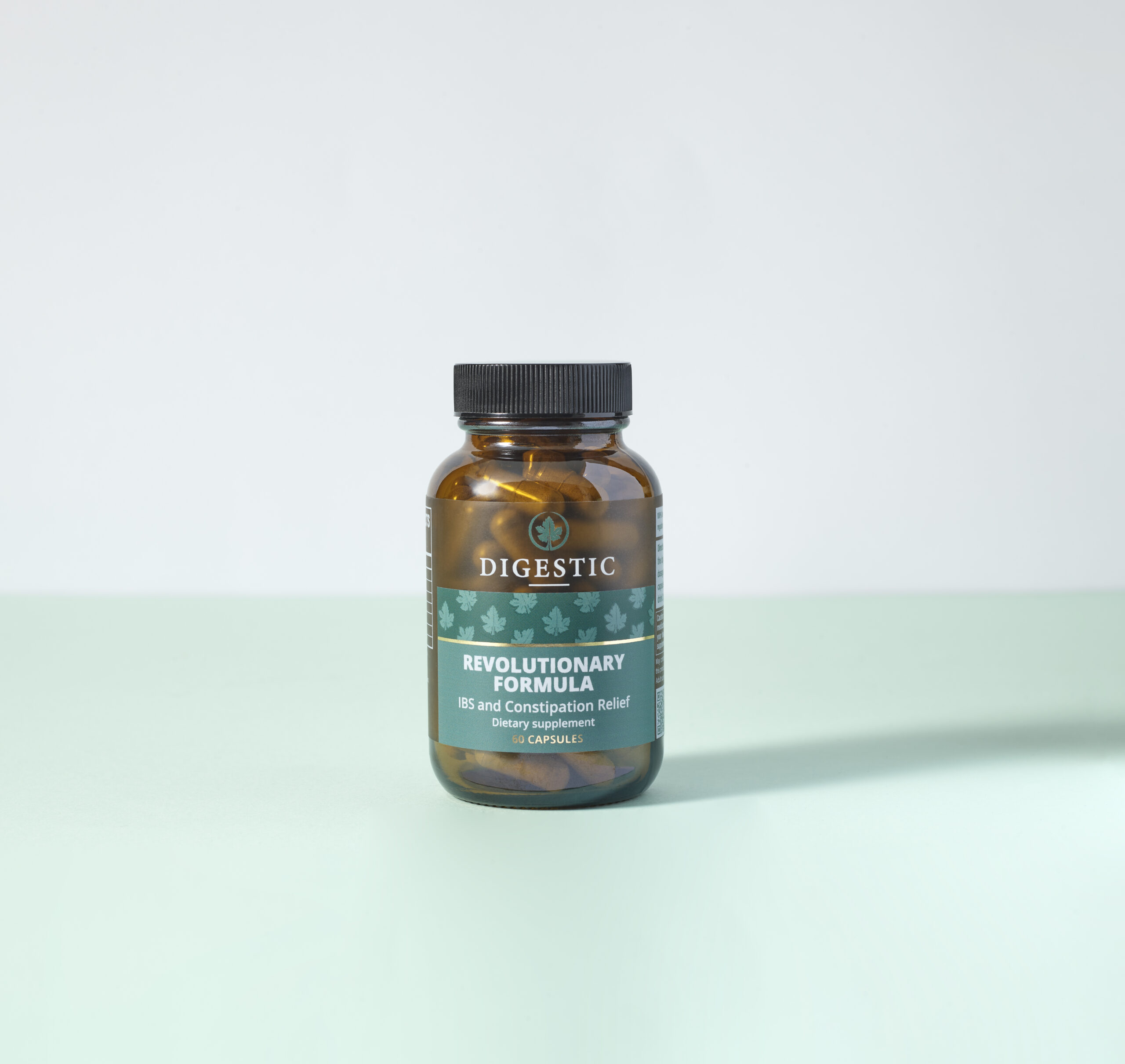
We provide detailed information about all the plants used in the Digestic formula, along with their scientific references, on our " Our Laboratory" page.
Foods to Watch Out For During a Crisis
Everyone reacts differently, but certain foods are frequently cited as triggers:
- High-fat or fried foods
- Soft drinks and excessive caffeine intake
- Certain fermentable vegetables, such as cabbage or raw onions
- Alcohol, especially when consumed quickly
Keeping a food diary for a few weeks often helps you identify your own triggers, rather than randomly eliminating foods. Some healthcare professionals also recommend a “low-FODMAP” approach, which focuses on a group of fermentable sugars found in certain fruits, vegetables, and grains that are known to worsen symptoms in some patients. This approach is best implemented with the help of a professional, as it requires the gradual reintroduction of foods.

Managing Stress to Soothe the Gut
The gut-brain axis works both ways: stress affects the gut, and an irritated gut can in turn fuel anxiety. Breaking this cycle often involves simple habits that can be gradually incorporated into your daily routine:
- Deep breathing, a few minutes before meals
- A regular walk outdoors, even a short one
- Regular meal and sleep schedules
- Breaks During a Busy Day
These measures are not a substitute for medical care, but they effectively complement the other strategies mentioned above, particularly when stress is identified as a regular trigger for episodes.
Frequently Asked Questions About Irritable Bowel Syndrome
Is irritable bowel syndrome dangerous?
It does not damage the intestines or increase the risk of colorectal cancer. Nevertheless, it remains a source of real discomfort in daily life, which justifies appropriate care—both medical and natural.
Should I see a doctor?
Yes, especially when the first symptoms appear, in order to rule out other possible causes. Medical follow-up remains important even after diagnosis, to adjust dietary measures and tailor natural remedies to each individual’s situation.
How does this differ from a chronic inflammatory bowel disease?
Unlike Crohn's disease or ulcerative colitis, irritable bowel syndrome does not cause visible inflammation of the intestinal lining during medical examinations. The symptoms are sometimes similar, which is why only a doctor can make a reliable diagnosis and rule out an inflammatory disease.
In summary
Irritable bowel syndrome often results from a combination of factors: intestinal sensitivity, stress, gut microbiota, and diet. Identifying your own triggers, adopting a soothing routine, and turning to herbs such as cardamom or fennel can help restore more stable digestive comfort. The Digestic formula is based on this approach and is designed to support those affected in their daily lives.